
Mindful Ocean Walks vs. Ocean Therapy: Self-Guided Practice + Safety Tips
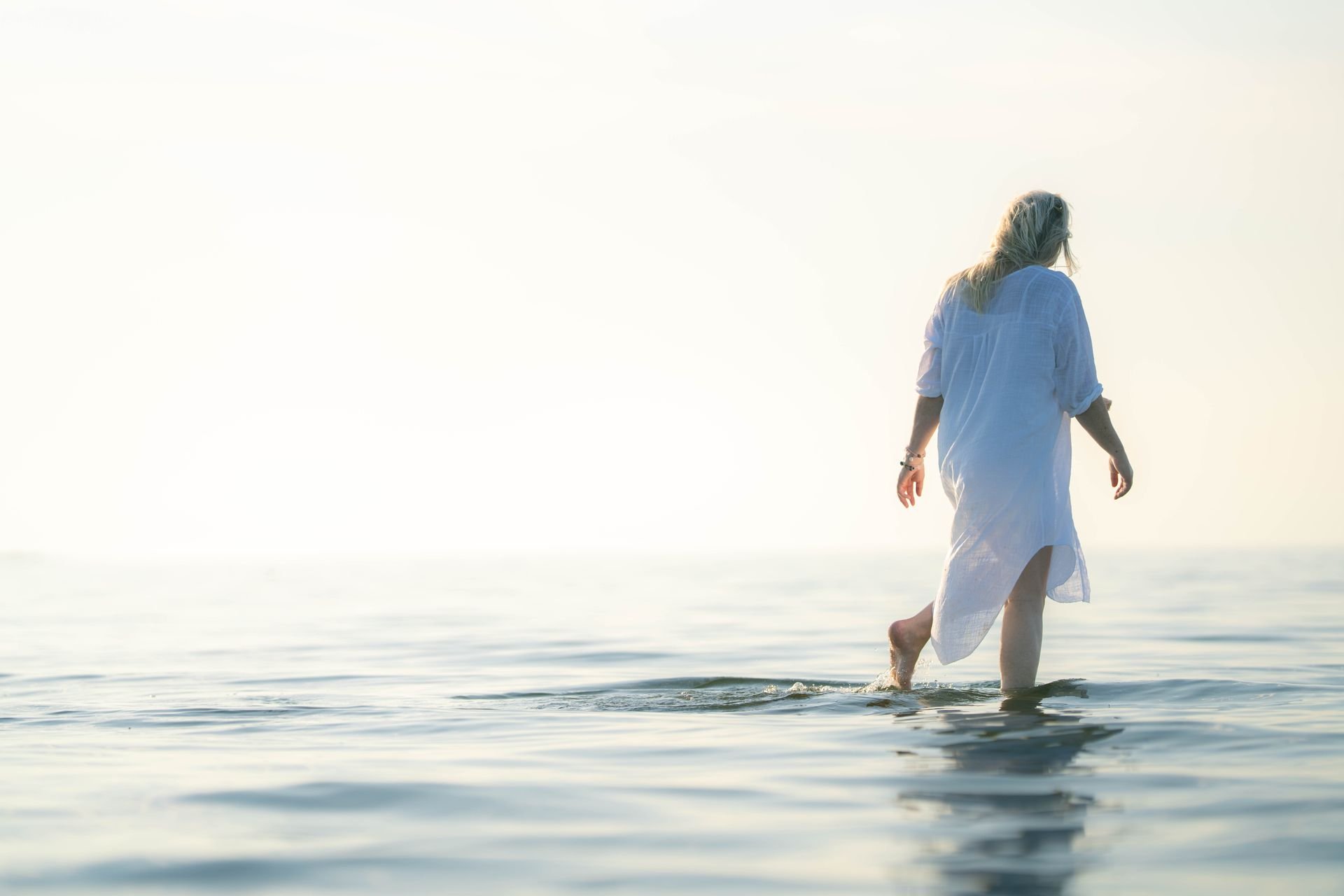
Reclaim Your Calm by the Water’s Edge
Walking along the shoreline with a full mind and a heavy heart can feel lonely. The sky is soft, the waves keep rolling in, and still your thoughts are racing. Burnout, anxiety, and big life changes have a way of following you everywhere, even to the beach.
The good news is that the ocean does not need you to be “fixed” or “on.” It simply invites you to notice. With some gentle structure, time by the water can shift from just a pretty view into a real support for your nervous system, mood, and sense of self. Many women searching for ocean therapy near the Emerald Coast, FL, are surprised to learn they can start with something simple: a mindful ocean walk.
In this guide, we will explain the difference between guided ocean therapy sessions and self-led walks, share why the shoreline is so soothing for burnout, and walk you through a step-by-step practice you can try on your own, with clear safety and emotional care tips along the way.
Mindful Ocean Walks vs. Ocean Therapy Sessions
Near the Emerald Coast, ocean therapy sessions are usually structured, guided experiences led by a therapist or coach. They may include:
Somatic practices like grounding, breathwork, and gentle movement
Therapeutic conversation about anxiety, depression, or life transitions
Mindfulness exercises focused on the senses and the present moment
Simple education about how your nervous system works and how to care for it
These sessions give you a safe, supported place to explore deeper emotions like grief, overwhelm, or long-term stress, while someone trained is right there with you.
A mindful ocean walk is different. It is:
Self-directed. You choose your pace, time, and focus.
Centered on your senses, not on processing big stories or history
Grounded in simple tools like breathing, noticing, and gentle body awareness
Both options have value. Therapy sessions can help you move through heavy emotions with support. Mindful walks are flexible and accessible and they can be a bridge while you wait for care, or a way to practice what you talk about in therapy. If you are curious about ocean therapy near the Emerald Coast, FL but do not feel ready for a full session, a self-guided walk can be a kind, low-pressure place to begin.
Why the Ocean Soothes a Burned-Out Nervous System
Burnout is not just “being tired.” It is what happens when stress stacks up without real rest. Your nervous system can get stuck in:
Fight mode, feeling irritable, tense, or quick to anger
Flight mode, feeling restless, panicky, or always “on”
Freeze mode, feeling numb, foggy, or checked out
Over time, this can show up as exhaustion, brain fog, trouble sleeping, low mood, and feeling disconnected from your own body.
The ocean offers natural tools that speak directly to your nervous system:
Rhythmic waves that echo the pattern of calming breath
Wide horizons that gently open anxious “tunnel vision”
Grounding sensations like sand under your feet and fresh air on your skin
Changing water temperatures that help you notice your body again
When we pair this environment with mindful walking, slow breathing, and soft attention, we are sending signals of “safe enough” to the body. This encourages a shift toward rest-and-digest states, where repair and emotional processing can happen.
You can support this even more by caring for your body before and after your walk:
Drink water and have a light, balanced snack so your blood sugar is steady
Include gentle movement so your muscles can release stored tension
Practice gratitude or short positive reflections to build connection and joy
Little things add up. Over time, they tell your whole system, “You are allowed to slow down.”
Step-by-Step Self-Guided Mindful Ocean Walk
Preparing for your walk
Before you head out:
Check the forecast, tides, and beach flags
Choose a quieter time of day, often early morning or closer to sunset in summer
Wear comfortable clothes, sun protection, and shoes or sandals that feel good
Set a simple intention, something soft and clear, like, “I am here to listen to my body,” or, “I am here to let my stress soften, even a little.”
Grounding and arriving
At the edge of the sand, pause. Turn toward the water. Place one hand on your heart or belly. Feel your feet press down into the ground.
Take 5 slow breaths. Let the sound of the waves guide your pace. If your mind is busy, that is okay. Just notice, “My mind is busy.” Also notice whatever is here: tight shoulders, a lump in your throat, or maybe just numbness. Nothing needs to change yet.
Walking with awareness
Start walking at a slow or moderate pace. Let your steps be steady, not rushed. You can try syncing breath with steps, for example:
Inhale gently for 3 steps
Exhale slowly for 4 steps
Rotate your attention through your senses:
Eyes: colors in the water, light on the waves, shells or birds
Ears: the steady roar, the smaller splashes at your feet, distant voices
Skin: air on your arms, sun on your face, sand or water at your feet
Nose: the scent of salt, sunscreen, or seaweed
If your mind drifts back to work, family, or worries, that is normal. Each time you notice, kindly guide your focus back to one sense, like the sound of the waves.
Emotional and somatic check-ins
Every 5 to 10 minutes, pause for a short body check:
Notice your jaw, shoulders, chest, belly, hands, legs
Ask yourself, “What am I feeling in my body right now?”
If you sense tension or big feelings:
Gently shake out your hands for a few seconds
Roll your shoulders forward and back
Place a palm over your heart and take a long exhale
You do not have to figure anything out. Just let your body know you are here with it.
Closing your walk
When you are ready to stop, turn toward the water and stand still for a moment. Notice any tiny shifts. Maybe your breath is deeper, your thoughts a bit slower, or your shoulders a little softer.
Name three things the ocean walk gave you today, such as:
“A bit of space from my thoughts”
“One deep breath that actually felt good”
“A moment where I saw something beautiful”
Remind yourself that even 10 to 20 minutes of mindful walking counts as real care.
Safety and Emotional Care at the Shore
Physical safety matters, especially in summer heat. Before you go, look at:
Beach flag colors and posted warnings about rip currents
Heat advisories or lightning in the area
Your own energy level, hydration, and need for shade
Use sunscreen, bring water, and try not to walk in the hottest part of the day. If possible, walk with a friend or tell someone your plans.
Emotional safety is just as important. The ocean can sometimes stir strong memories or feelings, especially if you are moving through grief, trauma, or big change. You can support yourself by:
Setting a time limit so you do not push past your limits
Having a calming playlist ready for the drive home
Letting a trusted person know you might need a kind text afterward
If you notice intense panic, intrusive thoughts, feeling disconnected from your body, or depression that makes daily life hard, that is a sign to pause the self-guided practice and seek more support from a therapist or medical provider. Mindful walks are a companion, not a replacement, for professional care, online therapy, or health coaching.
Turning Gentle Beach Walks Into Ongoing Healing
To keep your practice realistic, choose a rhythm that fits your life and the summer season. That might be once a week, every other week, or even once a month. Consistency matters more than perfection.
After each walk, you might try a simple reflection ritual:
Write a few sentences about how your body feels
Name any emotions that came up
Note one small moment of joy, beauty, or relief
Over time, these mindful ocean walks can help rebuild trust with your body, soften harsh self-talk, and create a thread of calm you can follow on harder days. At Creating Joy Counseling, we see this kind of gentle, ocean-supported practice as one meaningful step toward balance, self-acceptance, confidence, and a deeper sense of joy.
Begin Healing With Ocean Therapy Today
If you are ready to explore how nature can support your mental and emotional well-being, we are here to walk alongside you. At Creating Joy Counseling, our ocean therapy near the Emerald Coast, FL offers a calm, supportive space to process what you are going through. We will work with you to create a personalized plan that fits your needs and comfort level. To schedule a session or ask questions, please contact us today.
